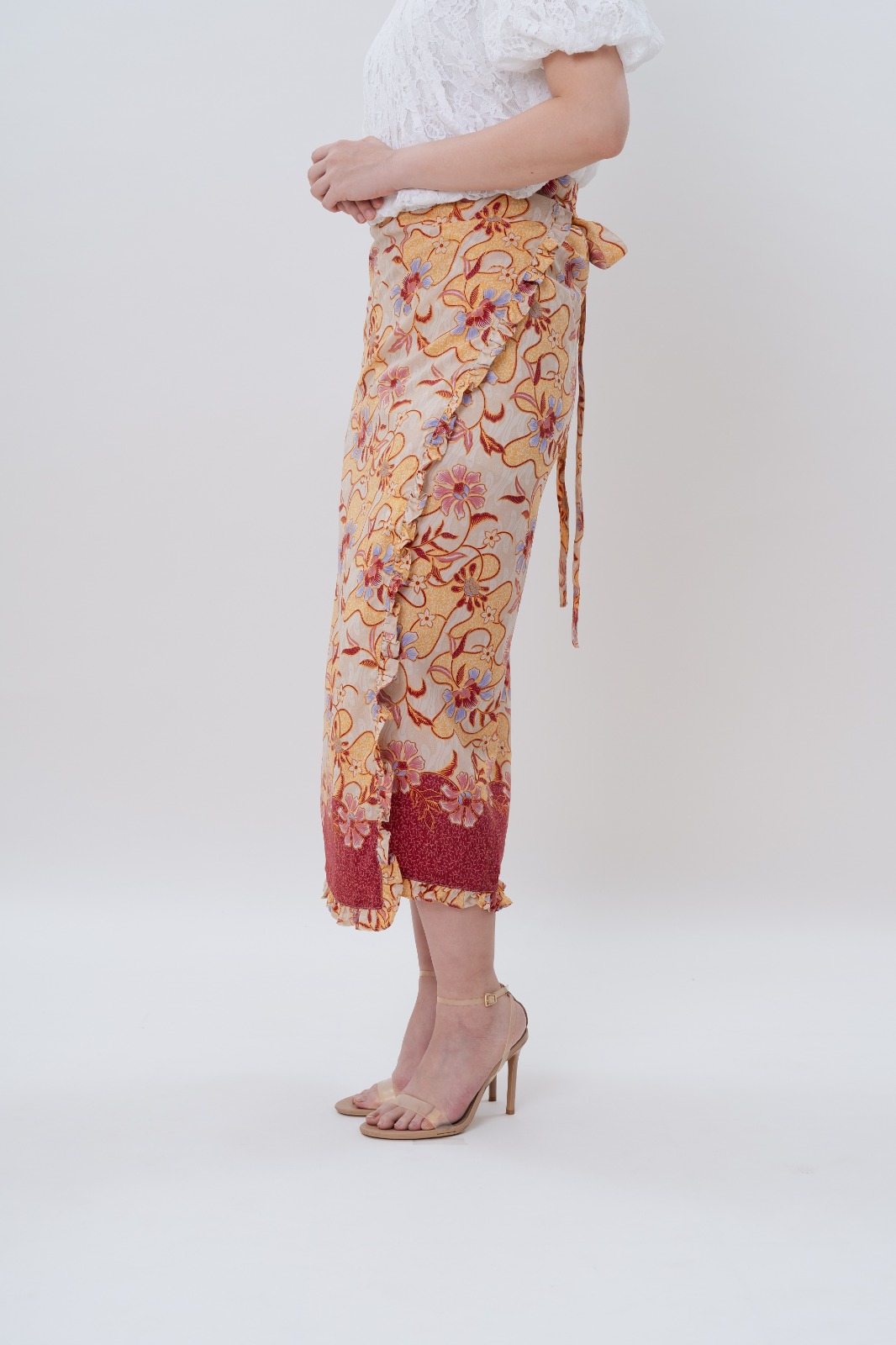
Anata Nude What’s New Jolie Clothing
Claim Your Access anata nude elite webcast. Subscription-free on our entertainment center. Dive in in a wide array of documentaries provided in high definition, tailor-made for discerning watching followers. With content updated daily, you’ll always remain up-to-date. Browse anata nude expertly chosen streaming in fantastic resolution for a genuinely gripping time. Enroll in our community today to look at members-only choice content with totally complimentary, no commitment. Look forward to constant updates and investigate a universe of rare creative works crafted for exclusive media supporters. Be certain to experience original media—click for instant download! Explore the pinnacle of anata nude specialized creator content with impeccable sharpness and hand-picked favorites.
The pronoun anata is the supposed neutral way to refer to someone whose name you're not aware of, and it's ok to use it to a stranger if you can't think of any other way to phrase the thing you want to ask However, it is considered rude if used to refer to parents, relatives, or teachers. The main reason why it's so frequently warned against is that the first instinct of speakers of english (and other western languages) is to use the word you in almost every sentence.
What’s New – Jolie Clothing
So i've changed the question since it was a segmentation fault Is there any difference between onamae wa and anata no namae wa nan desu ka? Why did the sentence use "anata to"
Tomo means together, doesn't to already means together?
So a japanese teacher told me that あなた (anata) was a bit rude But today i talked with a japanese and she used あなた So, i'm a bit confused (we just met in a language exchange app) Anata no shigoto wa nan desu ka
Also, i heard someone say, doko no iku ka? but shouldn't it be doko ni iku ka? a dictionary search of other words spelled iku made it clear that there is no relevant noun spelled iku It is always good to check the dictionary for possible duplicate meanings in these cases. Onamae wa nan desu ka Or anata no namae wa nan desu ka

My question is whether or not the following is ever used
Anata no onamae wa nan desu ka I understand fully the meaning of the honorific 'o' and i also recognise that a word beginning with 'o' is a bit awkward after 'no', i.e But that is irrelevant to my question. According to google, i should use ga
(anata wa) sushi ga sukidesuka Why ga and not wa? 1 I was looking for (I fell in love with you), but did find more than one option. Could you help? あなたに恋をした Anata ni koi o shita 私はあなたと恋におちた Watashi wa anata to koi ni ochita 私はあなたに恋を しました Watashi wa anata ni koi o shimashita What is the difference and which should I use? Arimasu (from aru) and imasu (form iru) mean to be, to exist, the difference being that the first is used with inanimate objects, while the second with animate ones
So your sentences mean respectively what is in your school? (anata no gakkou being your school), what is in your house? (anata no ie being your house) and what is in the zoo?
In the last sentence using iru means the.