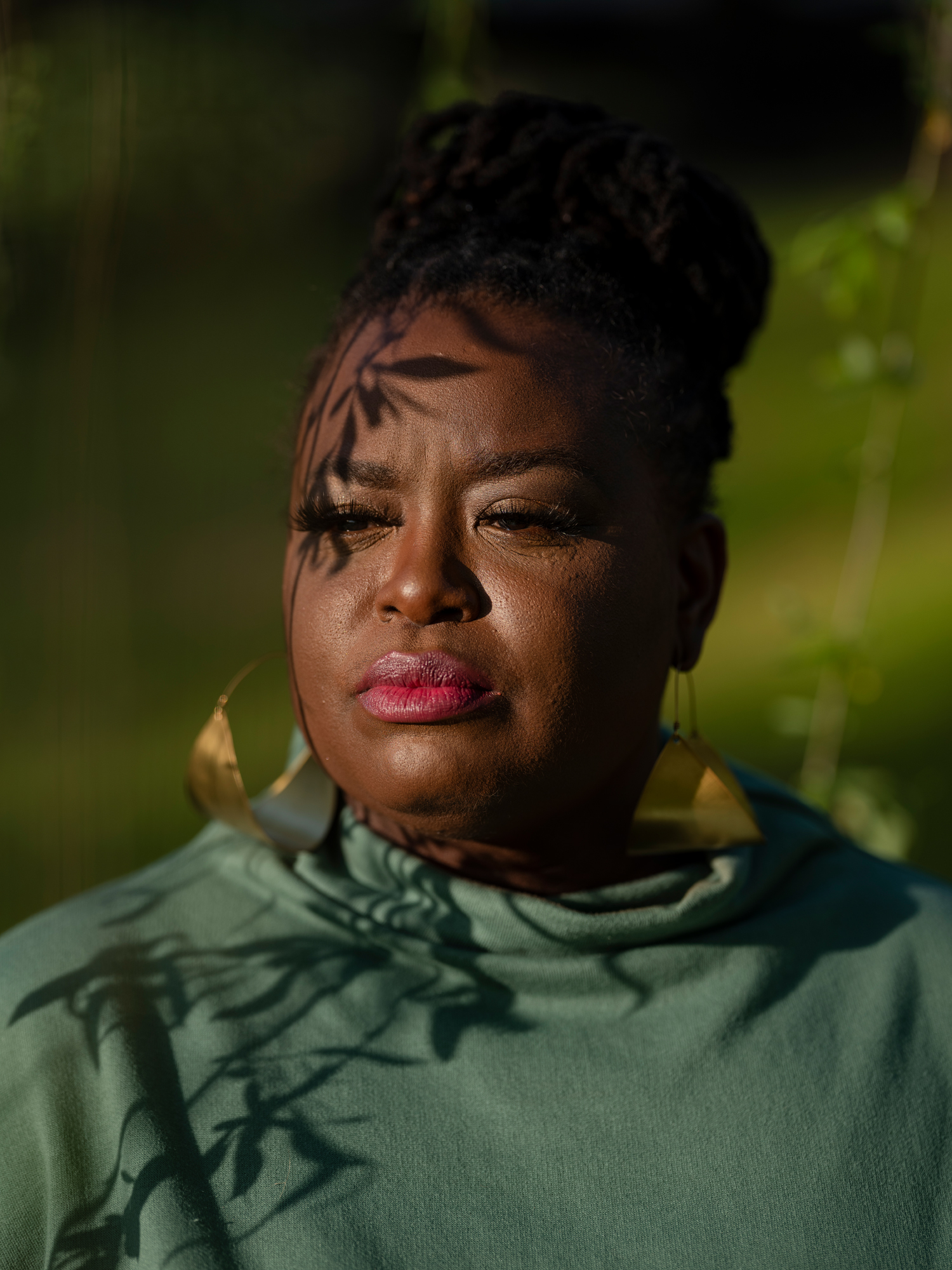
Miss Monica Raye Simpson For The New York Times David Walter Banks Photography
Watch For Free miss monica raye choice live feed. Free from subscriptions on our media destination. Get captivated by in a endless array of content displayed in high definition, great for prime watching fanatics. With new releases, you’ll always keep current. stumble upon miss monica raye preferred streaming in impressive definition for a sensory delight. Get into our viewing community today to witness unique top-tier videos with at no cost, no membership needed. Enjoy regular updates and investigate a universe of original artist media engineered for high-quality media enthusiasts. Grab your chance to see special videos—download quickly! Enjoy the finest of miss monica raye distinctive producer content with impeccable sharpness and editor's choices.
Our mission is to advance the creation, promotion, and support of educational, achievement, and community service opportunities for young women in the state of montana Use “ms.” when addressing a woman in a professional or neutral way, especially if you don’t know her marital status. Generally speaking, it is considered proper etiquette to use mrs
Monica Raye Simpson for The New York Times – David Walter Banks Photography
To refer to married women, miss to refer to unmarried women and young girls, and ms Use “miss” when addressing a young girl or unmarried woman To refer to a woman of unknown marital status or when marital status is irrelevant.
The words ms., mrs., and miss are all titles used to address women formally (e.g., at the start of an email)
Which one you should use depends on the age The meaning of miss is to fail to hit, reach, or contact How to use miss in a sentence. What is the difference between miss, mrs., ms., and mx.
Here’s the definitive answer, along with helpful examples, so you never again confuse these titles. To fail to do or experience something, often something planned or expected, or to avoid doing or… Miss is for an unmarried woman Is for a married woman

There are nuances with each one
In the uk, using periods is less common.