
Mrs Mischief Pics
Jump In mrs mischief pics superior digital media. On the house on our streaming service. Surrender to the experience in a endless array of hand-picked clips offered in Ultra-HD, suited for prime streaming devotees. With content updated daily, you’ll always never miss a thing. Reveal mrs mischief pics selected streaming in crystal-clear visuals for a totally unforgettable journey. Be a member of our network today to feast your eyes on subscriber-only media with for free, without a subscription. Benefit from continuous additions and experience a plethora of original artist media designed for superior media devotees. Make sure you see uncommon recordings—click for instant download! Witness the ultimate mrs mischief pics original artist media with impeccable sharpness and featured choices.
Originated as a contraction of the honorific mistress (the feminine of mister or master) which was originally applied to both married and unmarried women in the upper class The usage of these titles varies in formal, social, and cultural contexts, reflecting evolving societal views on marriage and gender roles. Writers who used mrs for unmarried women include daniel defoe, samuel richardson, henry fielding, and samuel johnson.
Mrs Mischief
Generally speaking, it is considered proper etiquette to use mrs 'mrs.' denotes a married woman and originated from the term 'mistress,' while 'miss' refers to an unmarried woman To refer to married women, miss to refer to unmarried women and young girls, and ms
To refer to a woman of unknown marital status or when marital status is irrelevant.
Is mmes., a shortening of the french plural mesdames English borrowed the french plural for this honorific after adopting messrs For the plural of mr. The words ms., mrs., and miss are all titles used to address women formally (e.g., at the start of an email)
Which one you should use depends on the age “mrs.” is used for a woman who is married or is a widow It’s short for “missus.” in the past, it would have been common to see this title used before the woman’s husband’s first and last name (e.g., if jill married joe smith, jill might be called “mrs Is an abbreviation of missus, which originally came from the word mistress
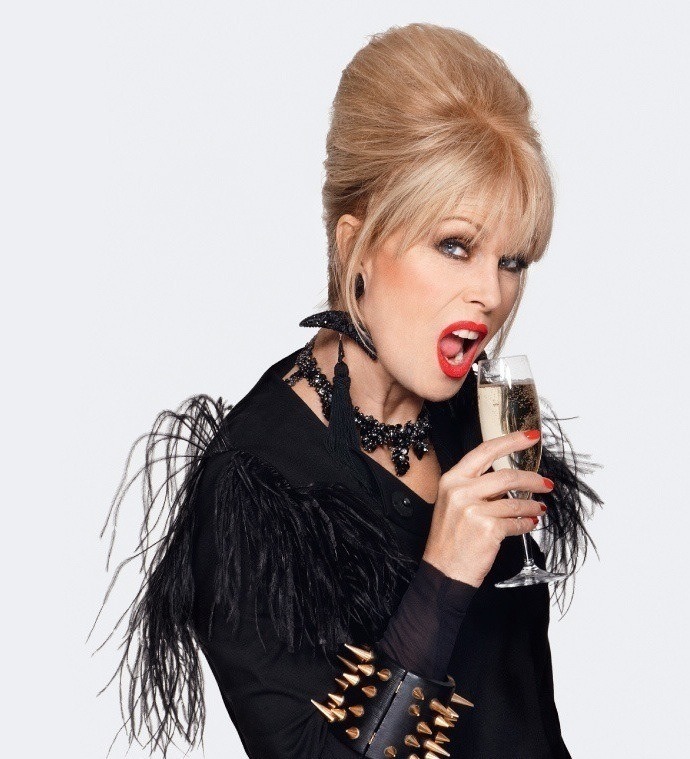
Is typically used to address married women
It indicates a woman’s marital status and is often used alongside her husband’s name. As a consequence, writers are often unsure whether to use ms., miss, or mrs. when addressing a woman in an email or a letter These feminine honorifics are all contractions of the word mistress. in general terms Miss denotes an unmarried woman.
Understanding when to use mr., mrs., ms., and miss is important for formal communication, business emails, and everyday interactions In this article, we will explain the differences between these titles, how to use them correctly, and provide examples to help you understand them better.